




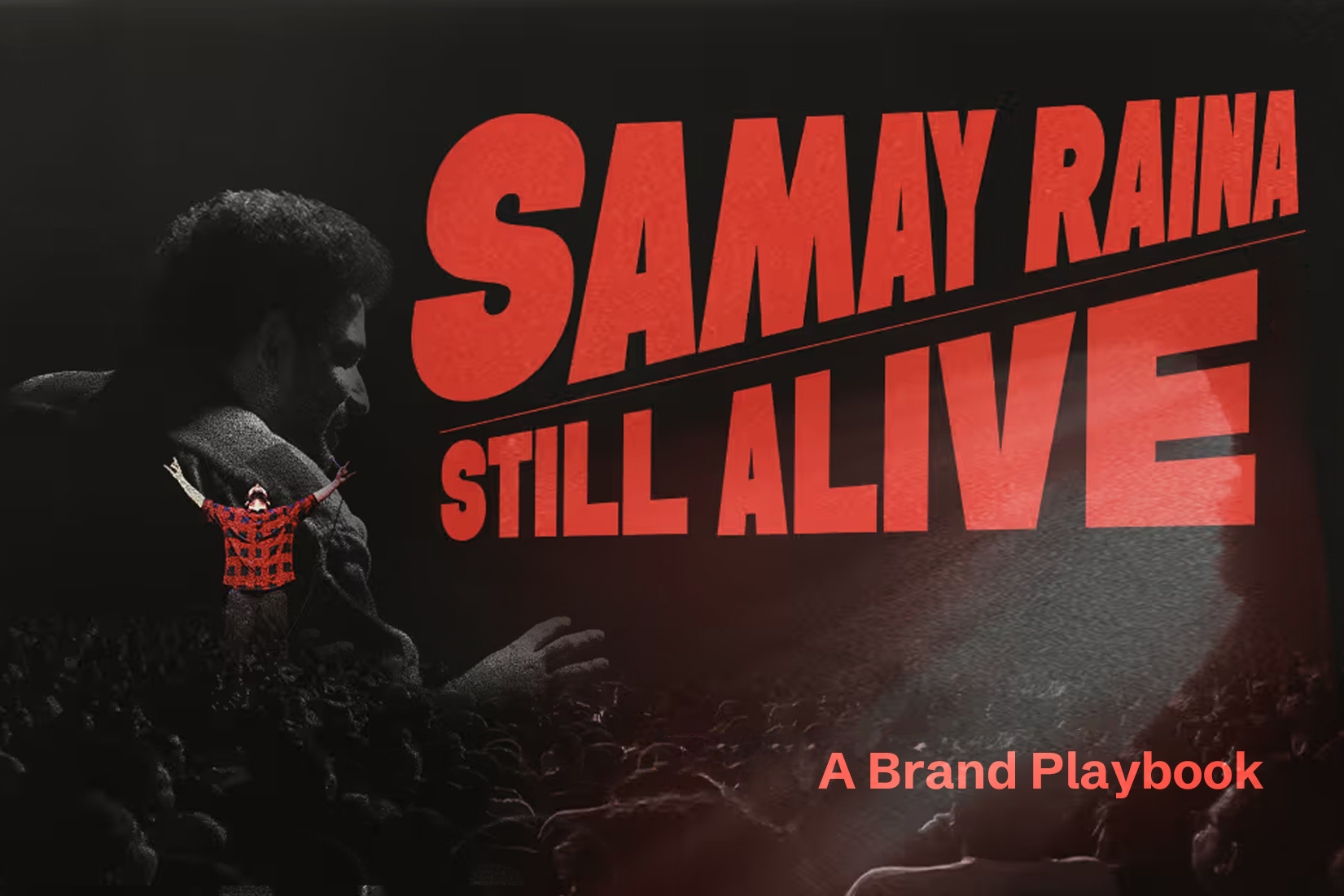
This isn’t a comeback story. This is a brand strategy masterclass. And every
What collapsed —and how fast
Lesson 01: Silence is a strategy
Lesson 02: Own the narrative completely or don't bother
When Samay finally spoke, he didn’t do it through a press release. He did it on stage, in front of a live audience, for 81 minutes.
He dropped his comic persona entirely. He talked about how the controversy affected his mother. He showed video of elderly staff members pleading with police — people with zero involvement in the episode who got caught in the fallout. He spoke about guilt. He named people who used the moment to gain clout. He didn’t perform vulnerability — he was simply, unmistakably honest.
The result: 150,000+ comments. 2.5 to 3.5 million likes. Engagement figures that sat significantly above standard benchmarks for long-form YouTube content.
The agency lesson:
Vague apologies die on the internet. Specific, human, emotionally honest storytelling survives. The difference between a crisis that kills a brand and one that becomes its origin story is entirely in the quality of the narrative built around it. PR-speak creates distance. Specificity creates trust
Lesson 03: Controversy is a brand asset, not a liability
This is the most important lesson — and the one most agencies will never recommend to a client.
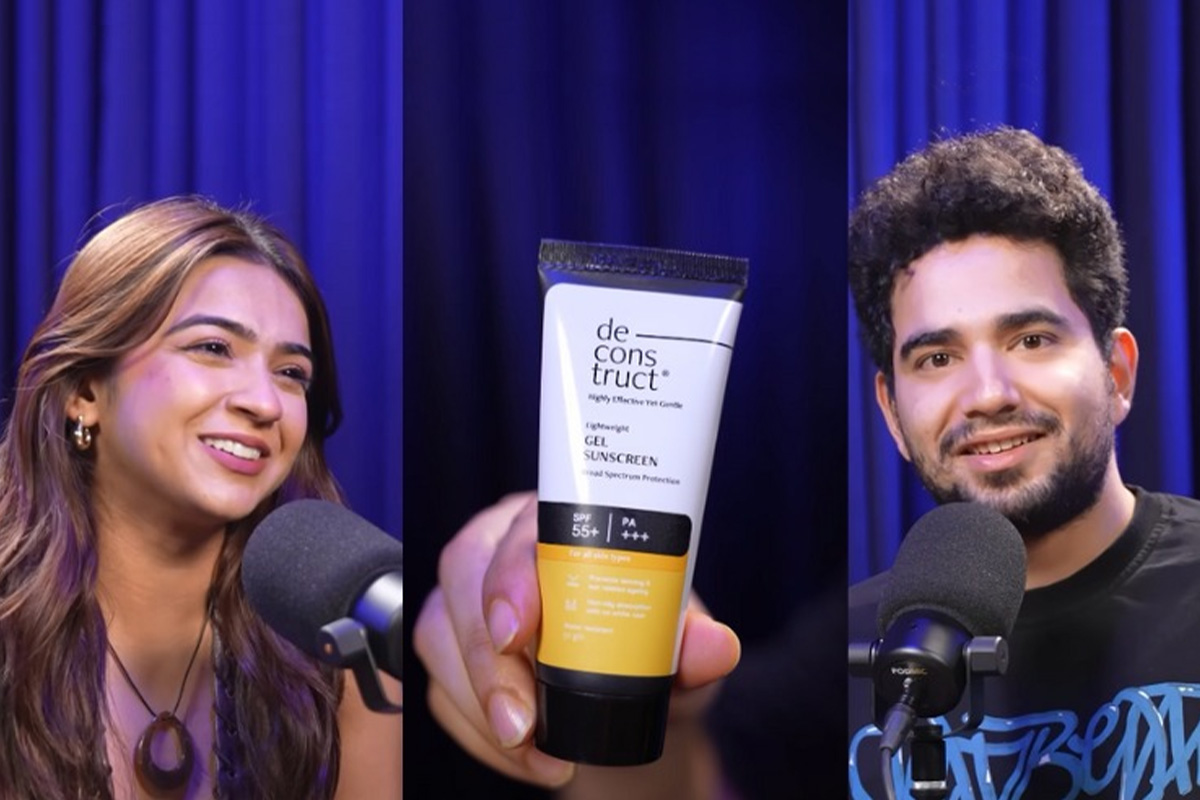
While Myntra and KFC ran, other brands leaned directly into the controversy. Skincare brand Deconstruct collaborated with Samay and Apoorva Mukhija on a parody-podcast-style sunscreen ad. The video nodded explicitly to their shared controversy with witty banter and “PR rehab” humour. It went viral. The audience loved it because it was self-aware, honest, and genuinely funny.
Then activewear brand STRCH went further. They brought together Samay Raina and Sunil Pal — the same comedian who had publicly slammed India’s Got Latent and called for legal action against Raina — in a single ad. Pure roast comedy. Samay tries to convince a reluctant Sunil to join the brand deal. Sunil resists. Then sees the “check amount.” The ad turned a real-life rift into campaign gold.
These brands understood something most don’t: the controversy had already given Samay Raina a story. The best creative brief isn’t always invented in a boardroom — sometimes it walks in through a crisis.
The agency lesson: The ability to see a brand opportunity inside a PR crisis is what separates a creative agency from a conservative one. Controversy, handled right, creates more memorability than a clean slate ever could.
Lesson 04: Loyalty during a crisis is the only currency that counts
Within hours of Still Alive dropping, brands flooded Instagram with reactive posts. “Samay badalta hai” — Magicpin. “Lesson ka samay” — Duolingo. An emotional angle on calling loved ones — Airtel.
The audience noticed. And they said so. One widely shared comment read: “They were absent when he needed them. They appeared instantly once the spotlight returned.”
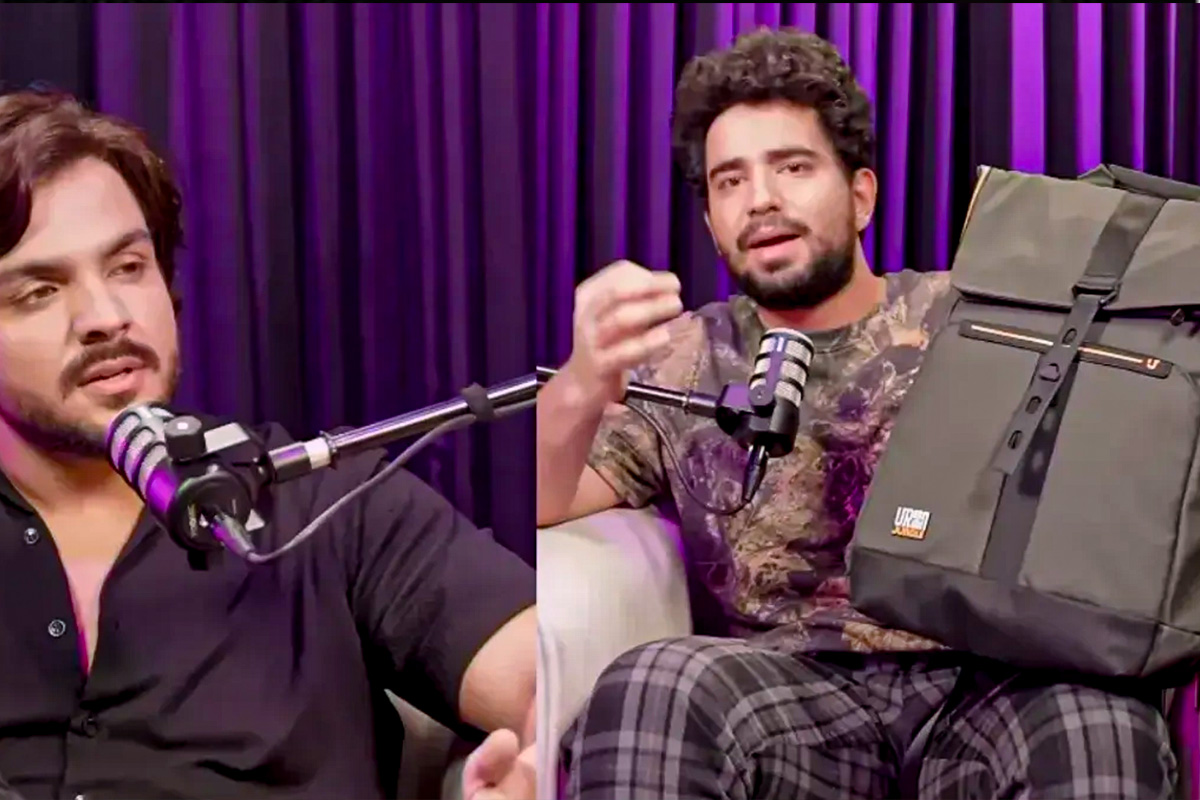
Meanwhile, the brands that stuck around during the controversy — boAT, Bold Care, Urban Jungle — got the benefit of the doubt. Their association with Samay’s comeback felt authentic because it was earned, not opportunistic.
The agency lesson: Young Indian audiences — the ones worth reaching — have long memories. They track which brands show up when it’s hard, not just when it’s trending. Reactive moment marketing on top of past abandonment doesn’t just fail to land — it actively damages brand trust.
Lesson 05: Long-form is not dead — depth is just rare
81 minutes. Free on YouTube. No paid distribution. Number one trending in India.
At a time when every platform is optimising for shorter content, Still Alive proved something important: audiences will sit through a long video if it delivers genuine narrative value. The length wasn’t the issue. The depth was the point.
Within the first week, the special accumulated an estimated 30 to 40 million views. Engagement metrics — 2.5 to 3.5 million likes, 150,000+ comments — placed it significantly above benchmarks for long-form comedy content.
The agency lesson: Distribution is not the problem. Depth is. Brands and creators who assume short-form is the only viable format are missing the most loyal, high-intent audience segment on the internet — the ones who will watch 81 minutes if they trust you enough.
The real story: the comeback was the campaign
Most brand comebacks fail because they’re built around the brand’s need to be seen again — not around the audience’s need to feel something.
Still Alive worked because Samay Raina understood that the audience didn’t want a press release. They wanted to know what actually happened. They wanted honesty over positioning. They wanted to feel like insiders, not targets.
He gave them that — and announced India’s Got Latent Season 2 at the end of it. The comeback and the launch were the same piece of content.
That’s not a PR strategy. That’s a creative one.
What Houze of Ab takes from this
We study cases like this because brand strategy isn’t just built in the good times. The real test of how a brand thinks, behaves, and communicates comes in the moments of pressure.
Samay Raina’s Still Alive is a reminder that the best campaigns aren’t always planned. Sometimes they’re earned. Through discipline, craft, and the willingness to be completely, uncomfortably honest with the audience that built you.
- Silence over noise.
- Vulnerability over PR speak.
- Loyalty over convenience.
- Craft over speed.
That’s the playbook. And it works.